Michael Pointer
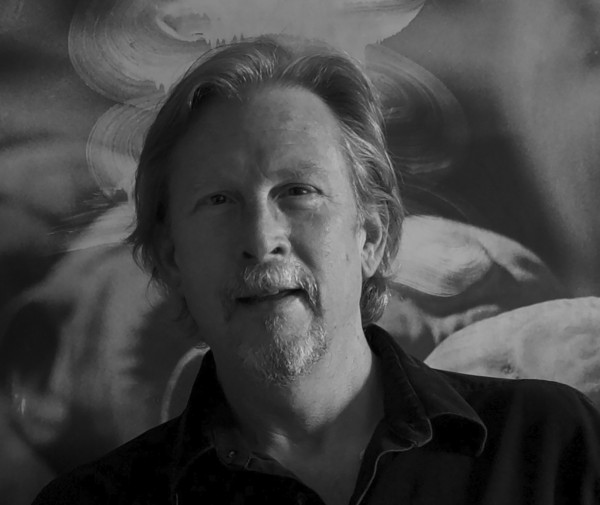
Michael Pointer is a fourth-generation artist. He received his first camera at age nine and began working in the darkroom when he was twelve. He has won numerous awards for photography and drawing, as well as exhibiting extensively in the United States, Taiwan, and Europe. After a solo exhibit in Wichita, Kansas he was invited to teach Photography at Wichita State University, he taught there for three years. He is best known for his large scale semi-abstract analog photography work. In 2009 Pointer lived in Afghanistan supporting a free dental clinic in Kabul and working with the Center for Contemporary Arts Afghanistan. Until recently he served CCAA as an advisory board member.
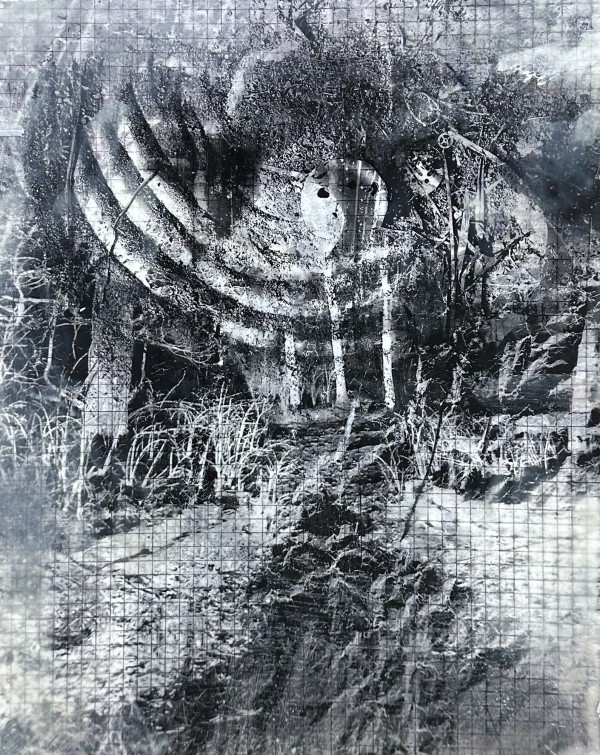
Photoexpressionism – Artist Statement
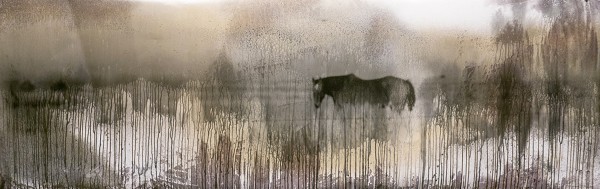
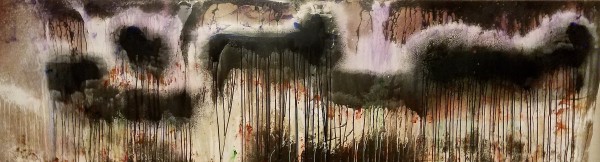
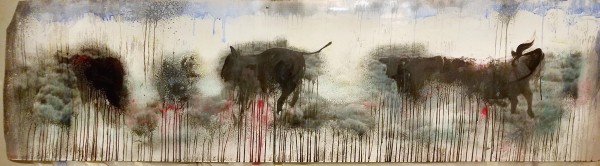
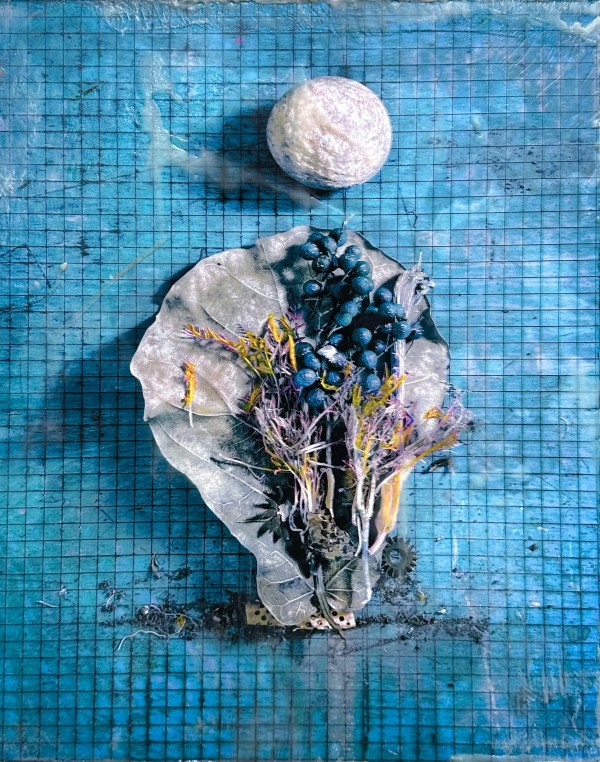
“My work explores the evolving relationship between photography and painting. Rooted in a lifelong practice of drawing and painting under my artist father’s guidance, I came to photography with a painter’s sensibility. The darkroom became my studio, photo paper my canvas, and chemistry my paint. From this merging of mediums, influenced by abstract expressionism, emerged what I call Photoexpressionism. Each piece begins with an image that anchors reality and holds the truth of a moment. From there, I expand the metaphor through abstraction, gesture, and direct engagement with materials. Rejecting the sterile perfection of traditional black-and-white photography, I embrace spontaneity and imperfection—splashing, dragging, and layering chemistry as I would paint. Every print is analog and unique; I work almost exclusively from my own photographs. My influences include Robert Motherwell, Robert Rauschenberg, and John Marin—painters who pushed boundaries. From Motherwell, I learned the courage of pouring emotion onto a surface; from Rauschenberg, the freedom to experiment with collision and chance; from Marin, an openness to possibility. Their examples affirmed my desire to work, as Rauschenberg said, “in the gap between art and life.” At times, a poem serves as a point of departure—a written sketch that guides mood rather than image. Ultimately, I want viewers to experience not only the image but the surface itself, to feel the artist’s hand alive in chemistry and gesture. My work challenges photography’s boundaries, expanding its expressive and painterly possibilities”
American Screens – Artist Statement
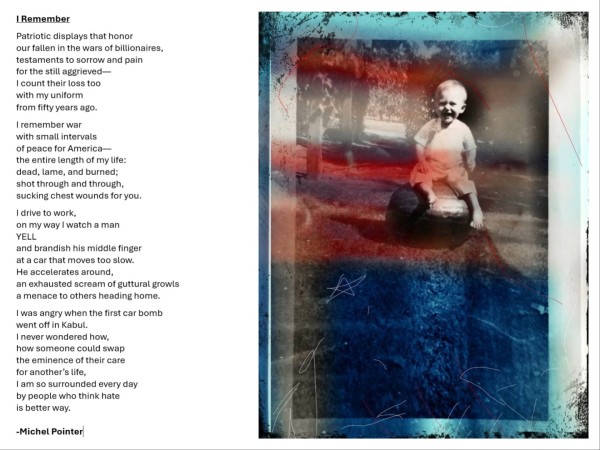
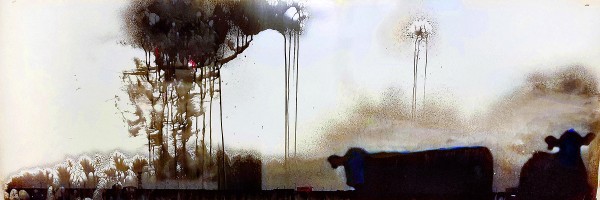
“American Screens investigates how mid-century American film and television shaped cultural identity and how those narratives shift when revisited through contemporary lens-based processes. Using stills drawn from familiar domestic scenes and frontier mythologies, the series rephotographs, enlarges, and chemically alters television screen images until they slip between photography and painting. Drips, veiled color fields, and surface disruptions act like time, eroding the authority of the original picture and revealing its constructed nature. By merging analog darkroom practices with digital sourcing and painterly intervention, the work traces the evolution of photographic technology and its influence on cultural memory. These once stable televised moments no longer offer certainty; instead, they appear ghosted, unsettled, and open to reinterpretation. American Screens invites viewers to reconsider how mediated images have shaped national myths and to reflect on their lingering presence within contemporary American consciousness.”
Instagramica — Artist Statement
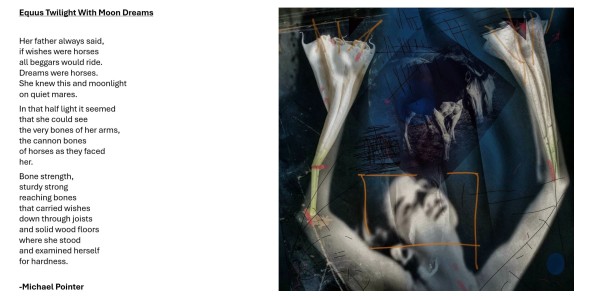
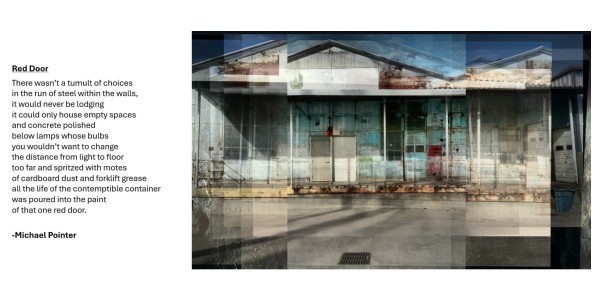
“The works in my exhibit, Instagramica, are each a unique response to the day they were created. I assemble each image from shards of photographic experience that approximate my emotional tone within a given day. For well over a year, I made daily entries into a dispositional diary. These works are invitations to you, my fellow travelers, each adhering to the grammar of the daily public feed. One image per day establishes a rhythm of imposed order that mirrors how contemporary life is now measured, remembered, and forgotten in public. This exhibit is the distillation of that journey, tiny monuments against the speed of the digital scroll and its amnesia, acts of remembering my existence and my insignificance in the universe. Instead of the darkroom chemistry I paint with in my cave, I use the electric colors and shapes made possible by the facility of the computer. I layer and build within a creative flow I have cultivated for more than sixty years. I draw on the abstract expressionists and the poets of my spirit: Jim Harrison, Albert Goldbarth, Robert Bly, Shakespeare, and Philip Sidney—those f lights of language that render accessible the sacred heights we know and cherish. The shapes of my ancestors form an undercurrent throughout the work, brittle in black and white yet fully fleshed in the creche of memory. We, a collective of all that became me, offer these daily sacraments for whatever small enjoyment and enlightenment they may bring.”